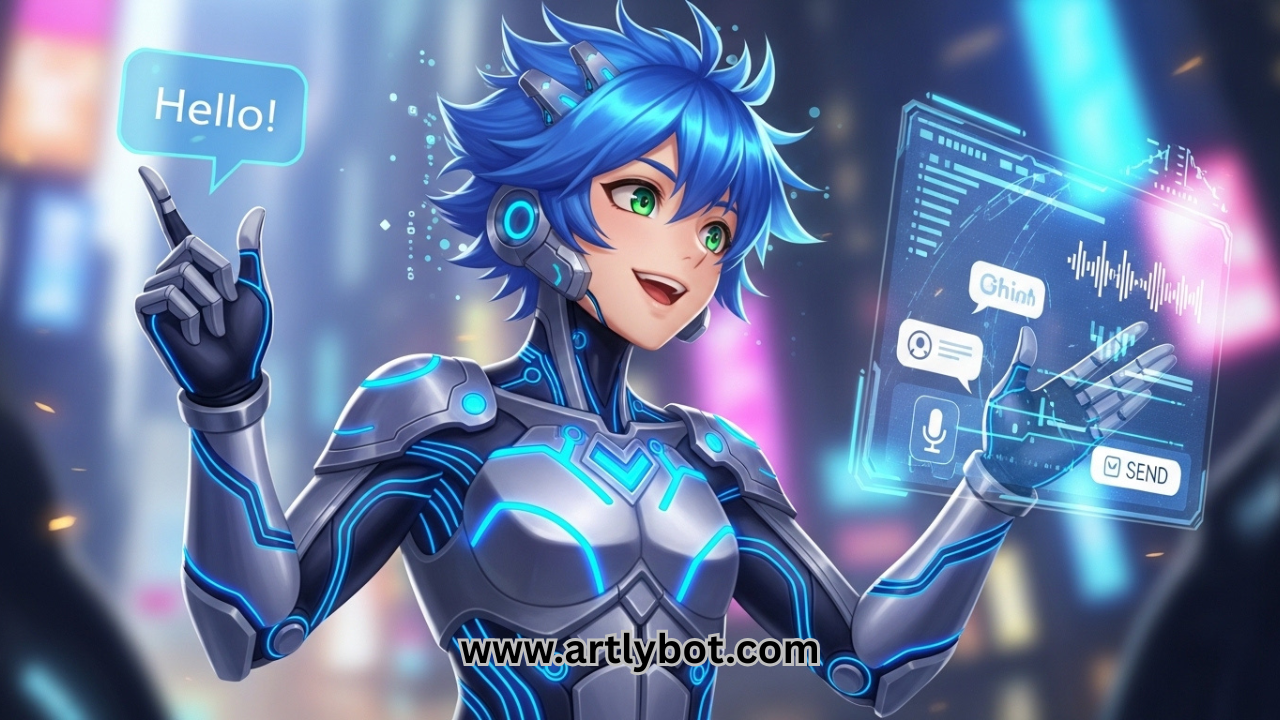
In this guide, you’ll learn how to create engaging, believable conversational AI characters that feel like real personalities. Whether you’re designing a virtual friend, a roleplay agent, or a support assistant, this walkthrough covers purpose, essential tools, design methods, and best practices for crafting dynamic interactive personas with AI.
1. What Are AI Chat Personas?
AI chat personas are virtual characters powered by generative models that respond in human-like ways. Instead of generic chatbot responses, these characters are tuned with unique traits, backgrounds, tones, and memory patterns that make every conversation feel natural and tailored.
They can serve many roles: friendly companions, tutors, mentors, storytellers, brand ambassadors, or game characters.
2. Key Tools You Can Use
Here’s a snapshot of tools and platforms you can leverage to design and interact with intelligent conversational agents:
AI Character Creation Platforms
-
ChatFAI: Lets you design personalities from scratch and chat with them right away, including voice and memory features.
-
PixelDojo: Offers no-code, intuitive interfaces to define backstory, traits, and dialogue patterns and test interactions without programming.
-
Beta Character AI & Other Builders: Platforms like Beta Character AI and Kajiwoto support persona design with easy tools for custom replies.
Supplementary Creation Tools
-
Voice & Avatar Generators: Tools like 15.ai provide expressive voices for your characters.
-
Image Creators (e.g., Midjourney): Use image generation to produce character visuals that fit your design.
3. Step-By-Step Persona Design Workflow
Here’s a simplified process you can follow, regardless of platform:
Step 1: Define Purpose
Establish why the character exists. Is it for fun, education, customer support, or storytelling? Clear intent sets the tone and response style.
Step 2: Craft a Backstory
Give your character a history and personality:
-
Name and role
-
Core traits (friendly, witty, serious)
-
Special skills or knowledge domains
Example: A wise librarian AI who loves sci-fi and offers book suggestions.
Step 3: Write a Descriptive Prompt
Add a prompt that captures behavior and speech pattern. Short, structured rules help the AI stay in character. For example: “Respond warmly, use simple language, and reference books in answers.”
Step 4: Create Example Conversations
Provide mini dialogues that show how the character should speak. This trains the model’s tone and style.
Step 5: Test and Iterate
Interact with your persona, note responses that feel off, tweak descriptions or prompts, and refine until responses fit your vision.
4. Features That Make Characters Stand Out
Here are essential capabilities to include when building a compelling agent:
Natural Dialogue Memory
Characters that remember earlier chats feel more realistic and engaging. This helps maintain context over long conversations.
Personality Consistency
Making sure the character stays in voice—not switching tone randomly—is key for immersion. Well-defined backstories and example chats help with that.
Multi-modal Expression
Adding voice, avatar, or even visual scene elements enriches the experience beyond plain text.
5. Safety and Ethical Considerations
Gening AI character systems are under scrutiny for safety, especially when younger users interact with open dialogues. Major platforms are updating moderation and age-verification efforts to avoid harmful content and misuse.
6. Practical Use Cases
Here’s how interactive personas are being used today:
-
Storytelling & Roleplay: Create characters that act and speak like heroes or NPCs.
-
Learning Assistants: AI tutors with tailored feedback and friendly explanations.
-
Brand Engagement: Virtual brand ambassadors that answer customer questions.
-
Mental Wellness: Companion bots that offer general support and calm conversation.
Conclusion
Designing engaging AI characters is both an art and a science. Use intuitive platforms to define personalities, integrate multi-modal features like voice or visuals, and iterate based on real conversations. By grounding your character in clear purpose and rules, you can build interactive agents that feel alive and truly responsive.