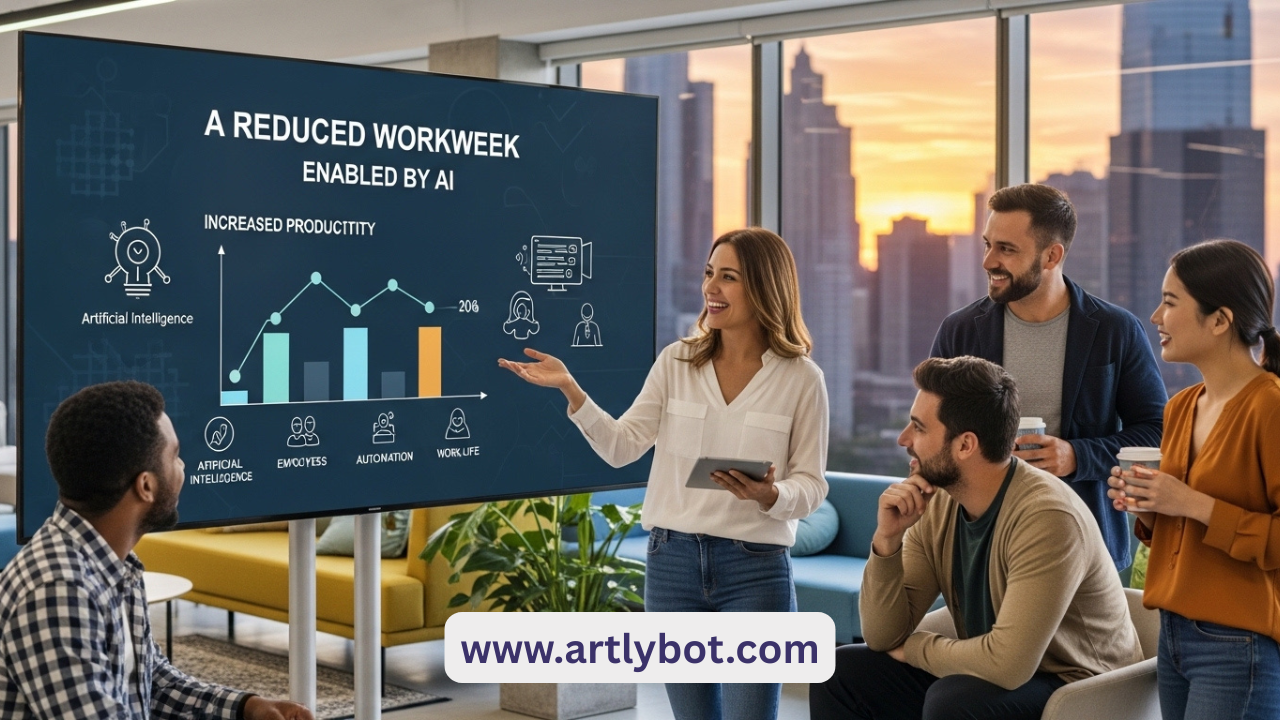
In today’s fast-paced business world, efficiency and employee well-being are more critical than ever. One emerging concept that blends technology with work-life balance is the AI-driven reduced workweek. This approach leverages artificial intelligence to streamline workflows, automate repetitive tasks, and optimize schedules, allowing employees to work fewer hours without sacrificing productivity.
What Is an AI-Driven Reduced Workweek?
An AI-driven reduced workweek is a work model where advanced tools and automation software help companies maintain output while cutting down the total hours employees spend on their jobs. Unlike traditional four-day workweeks, this method relies on AI to analyze tasks, prioritize workloads, and suggest smarter ways to complete projects faster. The result is a balance between efficiency and personal time, reducing burnout and increasing job satisfaction.
The concept isn’t about doing less work—it’s about working smarter. AI tools can handle routine processes, such as data entry, report generation, or scheduling, which frees employees to focus on high-value tasks. This technological support ensures that even with fewer hours on the clock, businesses can maintain or even boost overall productivity.
Benefits of Using AI for Shorter Workweeks
Implementing an AI-assisted reduced schedule has multiple advantages. First, it improves mental health and work-life balance. Employees who can finish their work in a shorter timeframe report higher satisfaction and lower stress levels.
Second, it promotes efficiency. AI can identify bottlenecks, optimize workflows, and provide insights into time management. For example, predictive analytics can help managers allocate resources where they are most needed, preventing wasted effort.
Finally, companies benefit financially. Reducing hours without reducing output means lower operational costs, improved retention rates, and a more motivated workforce. Over time, the adoption of such systems can create a more sustainable and innovative workplace culture.
How to Implement an AI-Driven Reduced Workweek
-
Assess Your Tasks: Begin by analyzing all tasks and workflows. Identify repetitive or low-value activities that can be automated.
-
Choose the Right Tools: Select AI software suitable for your business needs. Options include automation platforms, AI scheduling assistants, and task management systems.
-
Pilot the Program: Start with one department or team to test the efficiency of a shorter workweek supported by AI. Monitor productivity and gather employee feedback.
-
Optimize and Expand: Adjust workflows based on initial results. Train staff to use AI tools effectively and gradually roll out the program across the organization.
-
Measure Success: Track productivity metrics, employee satisfaction, and operational costs to ensure the new system meets both business and employee goals.
Future of Work with AI
The AI-driven reduced workweek represents a shift toward a more balanced and sustainable work culture. As technology continues to advance, more companies will likely adopt systems that allow for shorter work hours while maintaining or enhancing performance. This trend aligns with a global push toward better employee wellness, innovation, and smarter resource management.
In summary, combining AI with a strategic reduction in work hours isn’t just a trend—it’s a forward-thinking approach that benefits both employees and businesses. By embracing this model, companies can foster productivity, reduce burnout, and create a modern workplace that thrives on intelligence and efficiency.